
Is Korea Safe and Secure? What Foreigners Should Really Know Before Living in South Korea
When moving to a new country, one of the first questions that naturally comes to mind is simple but important: Is it safe to live there?
For many foreigners considering life in South Korea, safety and security are major concerns. News headlines, unfamiliar cultural norms, and stories from other travelers can create uncertainty. You might wonder: Can I walk alone at night? Is crime common? What should I watch out for as a foreign resident?
The short answer is that South Korea is widely considered one of the safest countries in the world. However, like anywhere else, understanding how safety works in daily life is important. Knowing the systems, cultural expectations, and practical precautions will help you feel more confident and comfortable.
This guide explains what foreigners living in Korea should realistically expect regarding safety. We’ll look at crime levels, public transportation safety, emergency services, common situations foreigners face, and practical steps you can take to stay secure while living in Korea.
Overall Safety in South Korea
South Korea consistently ranks among the safer countries globally in terms of crime rates, especially violent crime. Many foreigners are surprised by how comfortable daily life feels once they settle in.
Several factors contribute to Korea’s reputation for safety:
- Extensive CCTV surveillance in public areas
- Highly responsive emergency services
- Strong social norms discouraging crime
- Low rates of gun ownership
- Efficient policing and quick reporting systems
It is common for people in Korea to leave laptops on café tables while ordering coffee or to forget wallets temporarily without them being stolen. While this doesn’t mean theft never happens, it reflects the overall environment of trust.
That said, foreigners should still follow normal urban safety habits, especially in large cities like Seoul, Busan, or Incheon.
How Safe Is Korea Compared to Other Countries?
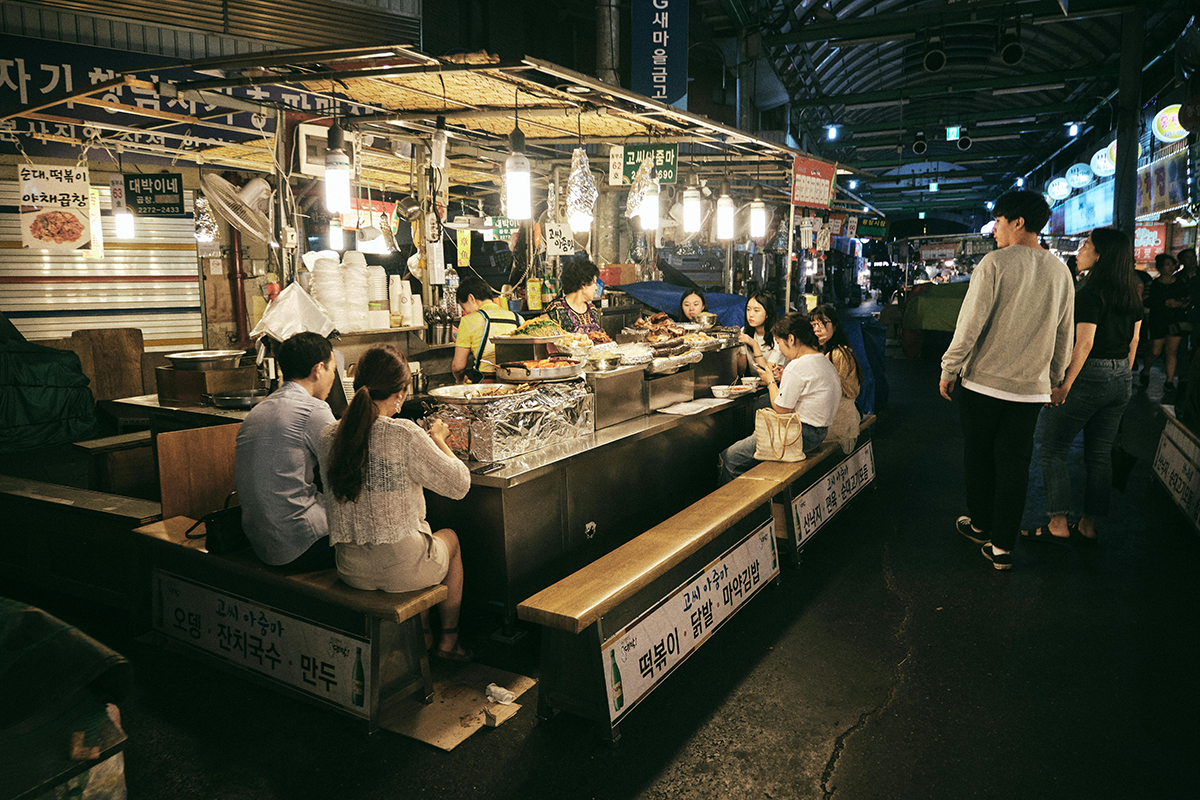
Foreign residents often notice safety differences immediately after arriving. In many major cities worldwide, walking alone at night can feel risky. In Korea, it is common to see students, office workers, and even elderly people walking around late at night.
Typical Safety Indicators
- Very low violent crime rates
- Strict firearm regulations
- Strong police presence in urban areas
- Fast emergency response systems
- Reliable public transportation even late at night
Government agencies such as the Korean National Police Agency and the Ministry of the Interior and Safety maintain detailed safety monitoring systems across the country.
These systems help authorities respond quickly to emergencies and maintain public order.
Walking Around at Night: Is It Safe?
One of the most noticeable things for foreigners is how active Korean cities remain at night.
Restaurants, convenience stores, cafés, and public transportation often operate until late evening or even 24 hours.
Typical Night Safety Situation
Many foreign residents report experiences like:
- Walking home alone after midnight
- Taking late-night buses safely
- Using taxis without fear of scams
- Seeing many other people outside even late at night
However, basic safety awareness still matters.
Practical Night Safety Tips
- Stay in well-lit areas
- Avoid extremely isolated streets
- Use licensed taxis or ride apps
- Keep your phone charged
- Know your home address in Korean
Most neighborhoods in Korea have convenience stores (편의점 – pyeonuijeom) on almost every block. These locations are brightly lit and can serve as safe spaces if you feel uncomfortable.
Public Transportation Safety
Korea’s public transportation system is one of the most efficient and safest in the world.
Subways and buses are heavily monitored and widely used by all age groups.
Why Public Transport Is Safe
- Security cameras inside stations and trains
- Station staff present during operating hours
- Emergency call buttons inside subway cars
- Clear signage and announcements
The subway system in cities like Seoul is especially secure. Emergency buttons labeled 비상 인터폰 (emergency intercom) connect directly to staff if assistance is needed.
Late-Night Transportation
Even late-night buses called “Owl Buses” (올빼미 버스) operate in Seoul, designed specifically for safe nighttime travel.
Emergency Services in Korea
Understanding emergency numbers is essential for every foreign resident.
Main Emergency Numbers
- 112 – Police
- 119 – Fire and Ambulance
- 1330 – Korea Travel Hotline (multilingual help)
- 1345 – Immigration Contact Center
Emergency operators can often connect you with English-speaking staff if needed.
The Korean National Police Agency also operates a dedicated support service for foreigners in major cities.
Common Safety Situations Foreigners Experience
Losing Your Wallet or Phone
Lost items in Korea are often returned.
If you lose something:
- Check the nearest police station
- Contact the subway lost-and-found center
- Report it through the police system
The police maintain a lost-item database used nationwide.
Taxi Safety
Taxis in Korea are generally safe and regulated.
Tips:
- Use taxi apps like Kakao T
- Check the driver’s ID displayed in the car
- Use card payment if possible
Required Safety Preparation Checklist for Foreign Residents
While Korea is safe, preparing basic information will make emergencies easier to handle.
Important Information to Save
- Your home address written in Korean
- Your passport copy
- Your Alien Registration Card (ARC) number
- Local police station phone number
- Emergency contact information
Keeping these details in your phone and wallet can help in unexpected situations.
Cost of Safety and Security Services
Basic safety services in Korea are publicly funded and free.
Typical Costs
- Police assistance: Free
- Emergency ambulance: Usually free or minimal cost
- Police reports for lost items: Free
- Emergency response: Free
Private security services exist for businesses but are rarely needed for normal residents.
Common Safety Mistakes Foreigners Make
1. Assuming Everything Is Completely Risk-Free
Although crime rates are low, petty theft can still occur in crowded nightlife areas.
2. Not Learning Basic Korean Emergency Words
Knowing a few key phrases can be very helpful.
3. Ignoring Weather-Related Safety
Korea experiences typhoons, heavy rain, and icy winters. Weather awareness is important.
4. Forgetting Identification
Foreign residents should carry their Alien Registration Card when outside.
Cultural Safety Tips in Korea
Korean social norms also contribute to the country’s safety.
Respect Public Order
Disruptive behavior in public places is strongly discouraged.
Alcohol Culture Awareness
Nightlife areas may involve heavy drinking, but violent behavior is uncommon.
Community Awareness
Korean neighborhoods tend to be observant. People quickly notice unusual situations.
Useful Korean Words Related to Safety
- 경찰 (Gyeongchal) – Police
- 도와주세요 (Dowajuseyo) – Please help me
- 위험해요 (Wiheomhaeyo) – It’s dangerous
- 잃어버렸어요 (Ireobeoryeosseoyo) – I lost something
- 병원 (Byeongwon) – Hospital
Even basic Korean phrases can make communication easier during emergencies.
FAQ: Safety in Korea for Foreign Residents
Is Korea safe for foreigners living alone?
Yes. Many foreigners live alone safely in Korean cities. Apartment buildings often include security systems and digital entry locks.
Is pickpocketing common in Korea?
Pickpocketing is rare compared to many global cities, though it can occasionally happen in crowded areas.
Are taxis safe for foreigners?
Generally yes. Korea regulates taxis strictly, and scams are uncommon.
Is it safe to walk at night in Korea?
Most areas remain active and well-lit late into the night, making walking generally safe.
What should I do in an emergency?
Call 112 for police or 119 for fire and ambulance services.
Are there areas foreigners should avoid?
Most areas are safe, but typical nightlife districts may require extra awareness.
Final Thoughts: Living Safely in Korea
For most foreigners, one of the most surprising aspects of life in Korea is how safe everyday situations feel.
From walking home late at night to using public transportation or recovering lost items, Korea’s systems and social culture create an environment where safety is taken seriously.
However, safety also comes from awareness and preparation. Learning basic emergency information, understanding local customs, and staying aware of your surroundings will help you navigate life in Korea confidently.
For newcomers adjusting to a new country, this combination of strong public safety systems and community awareness makes South Korea one of the more comfortable places in the world to live.
With the right knowledge and a little preparation, foreigners can enjoy daily life in Korea with confidence and peace of mind.