
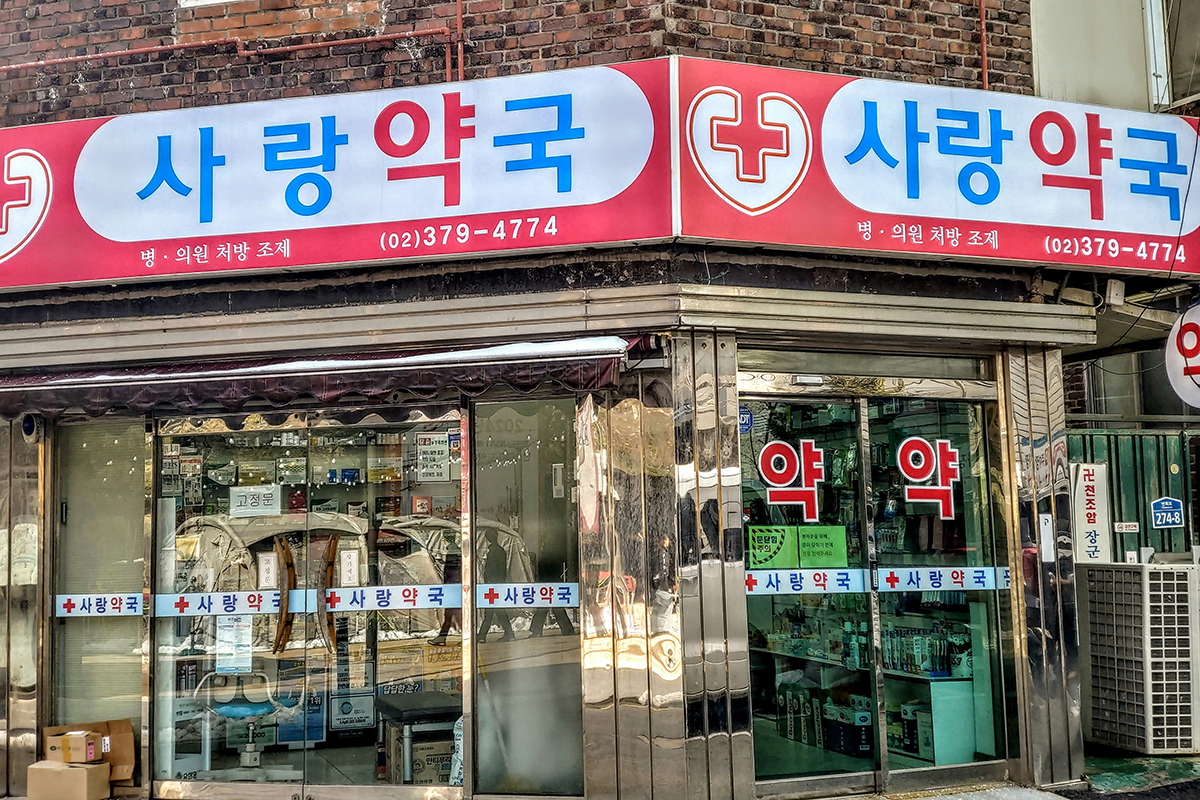
How to Use Korean Pharmacies: A Practical Guide for Foreigners Living in Korea
Many foreigners living in Korea eventually face the same situation: you feel sick, you need medicine, but you are not sure where to go or how Korean pharmacies work. In some countries, pharmacies provide both prescriptions and medical advice. In others, you must visit a doctor first. Korea sits somewhere in between, and for newcomers, the system can feel confusing.
Understanding how Korean pharmacies operate can save you time, money, and unnecessary stress when you are sick. Whether you need cold medicine, pain relief, digestive tablets, or prescription medication from a doctor, pharmacies play an important role in everyday healthcare in Korea.
This guide explains how Korean pharmacies work, how to buy medicine, when you need a prescription, what things typically cost, and the cultural habits you should know before walking into your neighborhood pharmacy.
Understanding the Korean Pharmacy System
In Korea, pharmacies are called 약국 (yakguk). You will find them almost everywhere — near subway stations, residential neighborhoods, hospitals, and office districts. However, Korean pharmacies function slightly differently from those in some Western countries.
Pharmacies Cannot Diagnose Illness
Pharmacists in Korea cannot officially diagnose medical conditions. Their main roles include:
- Dispensing prescription medications
- Providing over-the-counter medicine
- Offering basic advice for minor symptoms
If your condition seems serious, the pharmacist will likely recommend visiting a nearby clinic or hospital.
Two Types of Medicine in Korea
Korean pharmacies provide two main categories of medicine:
- Prescription medication (처방약) – Requires a doctor’s prescription
- Over-the-counter medication (일반의약품) – Can be purchased directly at the pharmacy
Unlike some countries, many medicines that might be sold freely elsewhere still require a prescription in Korea. Antibiotics, strong painkillers, and many allergy medications fall into this category.
How to Find a Pharmacy in Korea
Pharmacies are extremely common in Korean cities. The easiest way to recognize one is by the green cross sign outside the store.
Common Locations
You can typically find pharmacies:
- Next to medical clinics
- Inside large hospitals
- Near subway stations
- Inside residential neighborhoods
- Inside some large shopping areas
Many pharmacies cluster near clinics because patients often fill their prescriptions immediately after visiting a doctor.
Using Maps to Find Pharmacies
Popular Korean navigation apps can help you locate nearby pharmacies quickly.
Search using the Korean word:
약국 (yakguk)
You can also check healthcare information through the government-operated website Health Insurance Review and Assessment Service, which provides information about medical institutions and pharmacies.
Step-by-Step: How to Use a Korean Pharmacy
Step 1: Walk In and Speak to the Pharmacist
Unlike large drugstores in some countries, Korean pharmacies are usually smaller and staffed by one or two pharmacists.
When you enter, simply approach the counter and explain your symptoms.
For example:
“I have a cold and a sore throat.”
Even if your Korean is limited, pharmacists are generally used to helping foreigners and may ask simple questions.
Step 2: Describe Your Symptoms
Pharmacists will often ask about:
- Your symptoms
- How long you have been sick
- Whether you have allergies
- If you are taking other medication
Based on this information, they will recommend appropriate over-the-counter medicine.
Step 3: Receive Medicine and Instructions
After selecting the medicine, the pharmacist usually explains:
- How often to take the medicine
- Whether to take it before or after meals
- Possible side effects
Some pharmacies provide printed instructions, but verbal instructions are more common.
Step 4: Pay for the Medicine
Payment is simple. Most pharmacies accept:
- Credit cards
- Debit cards
- Cash
- Mobile payments
Receipts are automatically printed in most pharmacies.
Using a Pharmacy with a Doctor’s Prescription
If you visit a clinic or hospital, the doctor will usually give you a printed prescription.
Step-by-Step Prescription Process
- Visit a clinic or hospital
- Receive a prescription from the doctor
- Bring the prescription to a pharmacy
- The pharmacist prepares your medication
- Pay for the medication
The pharmacist will package the medication into small labeled packets showing when each dose should be taken.
These packets are typically divided by day and time.
Typical Pharmacy Costs in Korea
One advantage of Korea’s healthcare system is affordability. Even without insurance, pharmacy costs are generally reasonable.
Typical Over-the-Counter Medicine Prices
| Type of Medicine | Typical Price |
|---|---|
| Cold medicine | 3,000 – 7,000 KRW |
| Pain relievers | 2,000 – 6,000 KRW |
| Digestive medicine | 2,000 – 5,000 KRW |
| Allergy medicine | 4,000 – 8,000 KRW |
| Vitamin supplements | 5,000 – 20,000 KRW |
Prescription Medicine Costs
If you have National Health Insurance, prescription medications are significantly cheaper.
Typical costs range from:
3,000 – 10,000 KRW
depending on the medication.
Documents You May Need
Most pharmacy visits do not require documentation, but prescriptions do.
Basic Preparation Checklist
- Doctor’s prescription (if applicable)
- Alien Registration Card (ARC)
- Health insurance information
Some pharmacies may request identification when processing insurance claims.
Useful Korean Words at the Pharmacy
Knowing a few Korean phrases can make pharmacy visits easier.
- 약국 – Pharmacy
- 약 – Medicine
- 처방전 – Prescription
- 두통 – Headache
- 기침 – Cough
- 감기 – Cold
- 소화 – Digestion
Example sentence:
감기약 있어요?
“Do you have cold medicine?”
Cultural Tips When Visiting Korean Pharmacies
Pharmacists Often Provide Detailed Advice
Korean pharmacists often take time to explain medication instructions carefully. This can feel more personal compared to some countries.
Medicine is Often Packaged in Small Sachets
Instead of pill bottles, prescription medicine in Korea is frequently packaged in small paper packets divided by dosage time.
Many Pharmacies Close Earlier Than Expected
Unlike convenience stores, most pharmacies close between 7 PM and 9 PM.
However, major cities usually have rotating 24-hour pharmacies.
Common Mistakes Foreigners Make
Expecting Western Drugstore Products
Korean pharmacies focus primarily on medication rather than cosmetics or household items.
Trying to Buy Prescription Medicine Without a Prescription
Many medicines available over the counter in other countries require a doctor’s prescription in Korea.
Ignoring Nearby Clinics
Clinics are extremely affordable in Korea. If your symptoms persist, visiting a clinic before the pharmacy is often the best option.
Government Institutions Related to Pharmacies
Korea’s pharmaceutical system is regulated by several government organizations.
- Ministry of Food and Drug Safety
- National Health Insurance Service
- Health Insurance Review and Assessment Service
- Ministry of Health and Welfare
These institutions oversee medication approval, pharmacy licensing, and national healthcare policies.
FAQ: Using Pharmacies in Korea
1. Can I buy antibiotics at Korean pharmacies?
No. Antibiotics require a doctor’s prescription in Korea.
2. Are pharmacists able to speak English?
Some pharmacists speak basic English, especially in larger cities, but it is not guaranteed.
3. Do pharmacies accept foreign credit cards?
Yes. Most pharmacies accept international credit cards.
4. Can foreigners use Korean health insurance?
Yes, if you are enrolled in the National Health Insurance system.
5. Are pharmacies open on weekends?
Many pharmacies are open on Saturdays, though some may close earlier.
6. Can I buy vitamins and supplements?
Yes. Pharmacies sell many supplements, although some are also available in supermarkets.
7. What should I do if the pharmacy is closed?
You can search for 24-hour pharmacies using map apps or visit hospital emergency rooms.
Final Thoughts: Navigating Korean Pharmacies with Confidence
For foreigners living in Korea, learning how to use the pharmacy system is an essential part of everyday life. Fortunately, the process is generally simple, affordable, and efficient once you understand how it works.
By recognizing the difference between prescription and over-the-counter medicines, preparing basic documents, and learning a few useful Korean phrases, you can navigate pharmacy visits smoothly.
Korea’s healthcare system is designed to be accessible and efficient. Pharmacies play an important role in providing quick access to medication and guidance for minor health issues.
With a little familiarity and preparation, visiting a Korean pharmacy becomes just another routine part of daily life in Korea.