
A Guide to Visiting a Korean Medicine Clinic
Moving to Korea can be exciting, but navigating the healthcare system is not always straightforward—especially when you encounter services that don’t exist in your home country. One of the most common questions many foreigners ask is: “What exactly is a Korean medicine clinic, and how do I visit one?”
Korean medicine clinics, known as 한의원 (hanuiwon), are an essential part of Korea’s healthcare system. They specialize in traditional treatments such as acupuncture, herbal medicine, cupping therapy, and moxibustion. These clinics are everywhere in Korea, from small neighborhood streets to large medical districts.
For foreigners who recently moved to Korea, visiting a Korean medicine clinic can feel unfamiliar or even intimidating. The process, treatments, and cultural expectations can be quite different from Western medical clinics.
This guide explains everything you need to know: what Korean medicine clinics are, when you should visit one, how the appointment process works, what it costs, what documents you need, and common mistakes foreigners often make.
By the end of this article, you will have a clear and practical understanding of how to confidently visit a Korean medicine clinic in Korea.
What Is a Korean Medicine Clinic?
A Korean medicine clinic provides healthcare based on traditional Korean medical practices. These practices have roots in East Asian medicine and focus on restoring balance in the body.
Doctors working at these clinics are called Korean Medicine Doctors (한의사, Hanui-sa). They are licensed professionals who complete formal medical education and pass national licensing exams regulated by the Ministry of Health and Welfare.
Unlike general hospitals, Korean medicine clinics emphasize natural treatments and non-surgical approaches.
Common Treatments Offered
When you visit a Korean medicine clinic, you may receive one or more of the following treatments:
- Acupuncture (침)
- Herbal medicine prescriptions (한약)
- Cupping therapy (부항)
- Moxibustion therapy (뜸)
- Chuna manual therapy (추나요법)
- Electro-acupuncture
These treatments are often used for pain management, digestive problems, fatigue, stress, sports injuries, and chronic conditions.
Many foreigners living in Korea discover Korean medicine clinics when dealing with back pain, neck pain from office work, or muscle soreness.
When Should You Visit a Korean Medicine Clinic?
Korean medicine clinics are typically used for conditions related to pain, circulation, fatigue, and general health maintenance.
Common Reasons People Visit
- Back pain or neck pain
- Sports injuries
- Chronic muscle tension
- Digestive problems
- Stress and fatigue
- Sleep problems
- Recovery after illness
For example, many office workers in Korea visit a clinic weekly for acupuncture to treat neck pain caused by long hours at a desk.
Some foreigners also visit clinics after hiking injuries or gym-related muscle strains.
Step-by-Step: How to Visit a Korean Medicine Clinic
Step 1: Find a Nearby Clinic
Korean medicine clinics are extremely common in Korea. Almost every neighborhood has at least one clinic.
You can find them by:
- Searching “한의원 near me” on map apps
- Checking neighborhood directories
- Asking local residents or coworkers
Many clinics accept walk-in patients, but some require reservations.
Step 2: Check If They Accept National Health Insurance
If you are enrolled in Korea’s National Health Insurance Service (NHIS), some treatments may be partially covered.
Most Korean medicine clinics participate in the national insurance system.
Insurance typically covers:
- Basic acupuncture treatment
- Consultation fees
- Some therapy procedures
However, herbal medicine prescriptions are usually not fully covered.
Step 3: Bring Your Identification
When visiting a clinic for the first time, bring:
- Alien Registration Card (ARC)
- Passport (if ARC not available)
- National Health Insurance card (if applicable)
Most clinics register new patients using their ID number.
Step 4: Initial Consultation
During your first visit, the doctor will ask about your symptoms and medical history.
The consultation often includes:
- Pulse examination
- Tongue diagnosis
- Physical movement tests
- Discussion about lifestyle and diet
This holistic evaluation is a typical part of Korean traditional medicine.
Step 5: Treatment
After the consultation, treatment usually begins immediately.
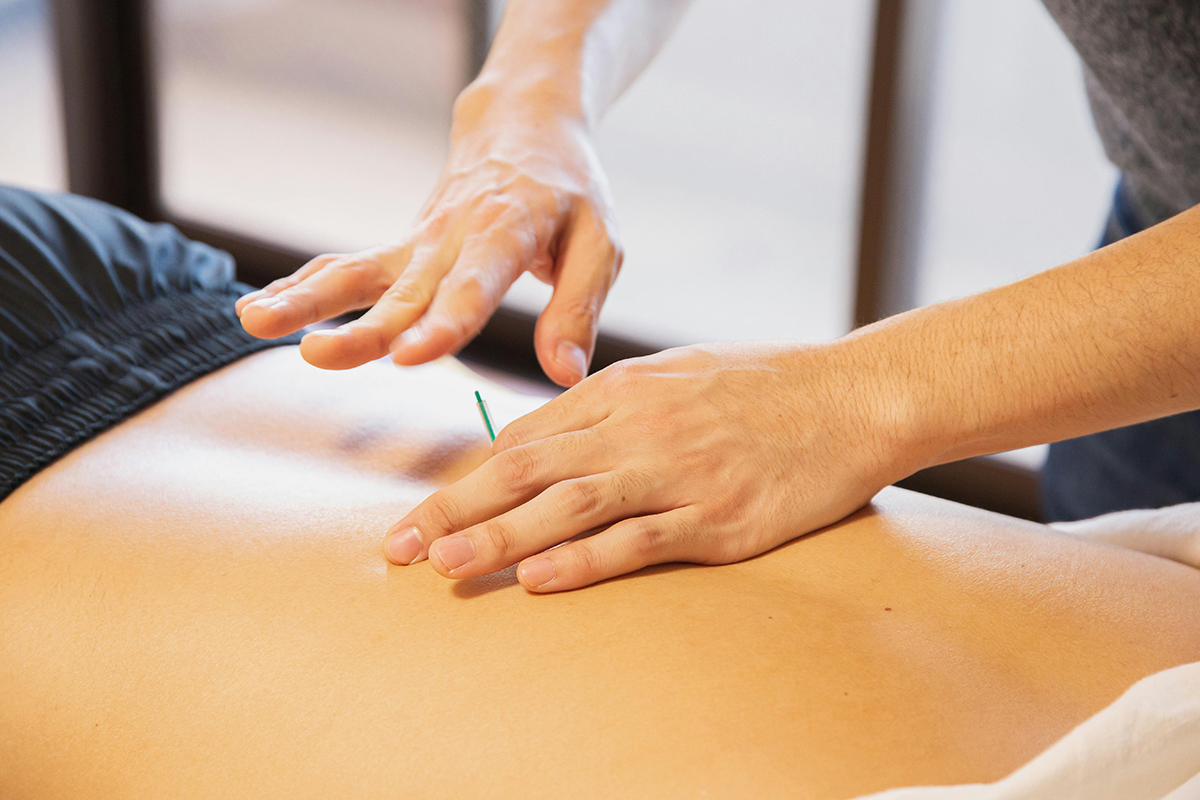
The most common treatment is acupuncture. Small sterile needles are placed in specific points of the body.
Many patients say the sensation feels like mild pressure or tingling.
Sessions typically last about 15–30 minutes.
Step 6: Payment and Follow-Up
After treatment, you pay at the reception desk.
The staff may recommend follow-up visits depending on your condition.
Many treatments require several sessions to achieve full results.
Typical Cost of Korean Medicine Treatment
Costs vary depending on the clinic, location, and treatment type.
Average Prices
- Acupuncture session (with insurance): 5,000 – 15,000 KRW
- Acupuncture session (without insurance): 20,000 – 40,000 KRW
- Cupping therapy: 10,000 – 20,000 KRW
- Moxibustion therapy: 10,000 – 25,000 KRW
- Herbal medicine prescription: 100,000 – 400,000 KRW
For example, a typical visit for neck pain with insurance may cost around 10,000 KRW.
Herbal medicine, however, can be significantly more expensive.
Useful Korean Words and Phrases
Learning a few Korean phrases can make your clinic visit easier.
Common Medical Terms
- 한의원 (Hanuiwon) – Korean medicine clinic
- 한의사 (Hanui-sa) – Korean medicine doctor
- 침 (Chim) – Acupuncture
- 부항 (Buhang) – Cupping therapy
- 뜸 (Tteum) – Moxibustion
- 한약 (Hanyak) – Herbal medicine
Useful Phrases
- “어디가 아프세요?” – Where does it hurt?
- “허리가 아파요.” – My lower back hurts.
- “목이 뻐근해요.” – My neck feels stiff.
- “침 치료 받을 수 있나요?” – Can I receive acupuncture treatment?
Even basic Korean can make communication much smoother.
Cultural Tips for Visiting a Korean Medicine Clinic
Healthcare culture in Korea may differ from what you are used to.
Treatment Is Often Fast
Appointments are usually quick. Doctors may see many patients in a short period of time.
This does not necessarily mean low quality—it is simply how the system operates.
Follow-Up Visits Are Common
Traditional treatments often require multiple sessions.
Doctors may recommend several visits per week.
Respect the Doctor’s Instructions
Patients are generally expected to follow advice closely, especially regarding herbal medicine and lifestyle recommendations.
Common Mistakes Foreigners Make
Assuming It Is the Same as Western Medicine
Korean medicine focuses on holistic balance rather than immediate symptom relief.
Treatment may take time.
Not Asking About Insurance Coverage
Some treatments are covered while others are not.
Always confirm before starting treatment.
Expecting English Service Everywhere
Some clinics in major cities offer English-speaking staff, but many local clinics do not.
Using translation apps can help.
Ignoring Follow-Up Advice
Stopping treatment too early may reduce effectiveness.
Official Institutions Related to Korean Medicine
Several government organizations regulate Korean medicine.
- Ministry of Health and Welfare
- National Health Insurance Service
- Korea Institute of Oriental Medicine
These institutions oversee licensing, research, and healthcare policies related to traditional medicine.
Frequently Asked Questions
Is acupuncture safe in Korea?
Yes. Licensed Korean medicine doctors receive professional training and use sterile disposable needles.
Do Korean medicine clinics accept foreigners?
Yes. Most clinics treat foreigners without any issues.
Can I use National Health Insurance?
If you are enrolled in Korea’s National Health Insurance Service, many basic treatments are partially covered.
Does acupuncture hurt?
Most patients describe it as mild pressure rather than pain.
Do I need an appointment?
Many clinics accept walk-ins, but appointments are recommended during busy hours.
How long does treatment take?
A typical visit lasts about 30–60 minutes including consultation and treatment.
Final Thoughts
Visiting a Korean medicine clinic can be a valuable experience for foreigners living in Korea. These clinics provide accessible, affordable, and widely used healthcare options that complement modern medical services.
While the system may feel unfamiliar at first, the process becomes easy once you understand how appointments, consultations, and treatments work.
By preparing the necessary documents, understanding the typical costs, and learning a few helpful Korean phrases, you can confidently navigate your first visit.
For many foreigners, Korean medicine clinics eventually become a regular part of their healthcare routine—whether for managing pain, recovering from injuries, or maintaining overall well-being.
Living in Korea means discovering many unique aspects of everyday life, and traditional Korean medicine is one of the most interesting and practical experiences you can explore.