
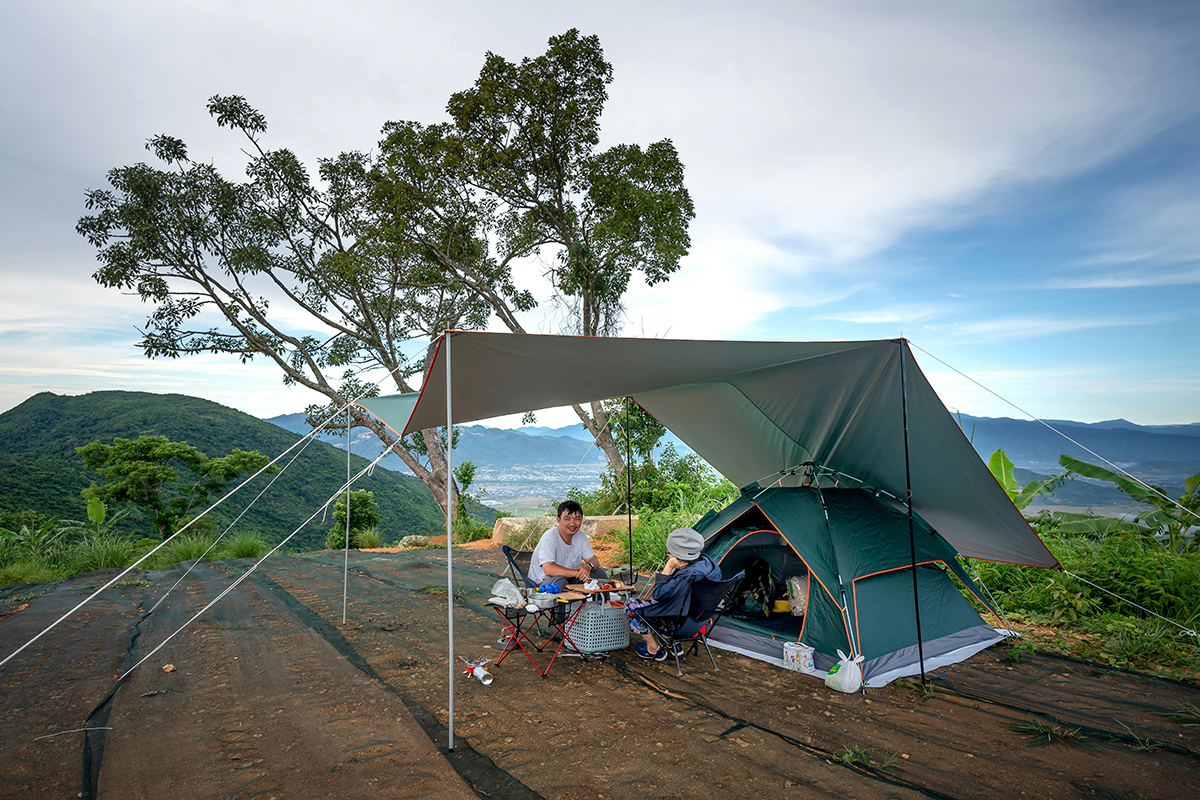
Camping Culture in Korea: A Practical Guide for Foreigners Living in Korea
When many foreigners first move to Korea, daily life can feel overwhelming. Between learning how transportation works, adjusting to Korean food, and navigating bureaucracy, leisure activities often take a back seat. Yet one of the best ways to experience Korean nature and local culture is something many newcomers overlook: camping in Korea.
Camping culture in Korea has grown dramatically in the past decade. On weekends, families, couples, and friend groups pack their cars with tents, grills, and folding chairs, heading out to mountains, rivers, and seaside campsites. However, for foreigners, joining this culture can feel confusing. Questions like “Where can I camp?”, “Do I need a reservation?”, and “Is wild camping allowed?” are very common.
This guide explains everything foreigners need to know about camping culture in Korea—from how campsites work to what equipment you need, how much it costs, and the cultural habits Korean campers follow. If you’re new to Korea and curious about outdoor life, this article will help you plan your first Korean camping trip with confidence.
Why Camping Is So Popular in Korea
Korea is a country with dense cities and busy work schedules. Camping offers a quick escape into nature without needing long vacations. Most campsites are located within two or three hours of major cities like Seoul, Busan, or Daegu, making weekend trips very common.
Several factors explain the rise of camping culture in Korea:
- Easy access to nature — Korea has mountains, forests, rivers, and coastlines within short driving distances.
- Well-developed camping infrastructure — Many campsites provide bathrooms, showers, electricity, and cooking areas.
- Family-oriented leisure culture — Camping is seen as a healthy activity for children and parents.
- Outdoor lifestyle trends — Korean outdoor brands and YouTube camping channels have popularized the hobby.
Because of this popularity, many campsites are fully booked on weekends, especially during spring and autumn.
Types of Camping in Korea
1. Auto Camping (오토캠핑)
This is the most common form of camping in Korea. Campers drive their cars directly to their campsite and set up tents beside their vehicles.
Typical features include:
- Electricity outlets
- Shared bathrooms and showers
- Designated cooking areas
- Parking next to the tent
Many Korean families prefer auto camping because it is convenient and comfortable.
2. Glamping (글램핑)
Glamping means “glamorous camping.” Instead of bringing your own tent, the campsite provides a furnished tent or cabin with beds, lights, and sometimes air conditioning.
This option is popular for beginners who want a camping experience without buying equipment.
3. Caravan or Camping Trailer (카라반 캠핑)
Some campsites offer rental caravans or trailers. These usually include:
- Beds
- A small kitchen
- Heating or air conditioning
- Indoor bathrooms
This style is closer to staying in a small mobile hotel room.
4. National Park Camping
Korea’s national parks also operate campsites. These are managed by the Korea National Park Service. They are often cheaper but require advance reservations.
Is Wild Camping Allowed in Korea?
Many foreigners assume they can simply pitch a tent anywhere in the mountains. However, wild camping is generally restricted in Korea.
Camping is usually only allowed in designated campsites. Setting up a tent in national parks, public beaches, or mountain areas without permission can result in fines.
Authorities managing camping areas include:
- Korea National Park Service
- Korea Forest Service
- Local city governments
If you want to camp legally, it is best to book an official campsite.
How to Reserve a Campsite in Korea
Step 1: Choose the Type of Campsite
Start by deciding whether you want:
- Auto camping
- Glamping
- Caravan camping
- National park camping
Step 2: Use Korean Reservation Platforms
Many campsites require online reservations. Popular reservation platforms include:
- Naver reservation system
- Interpark booking system
- Official websites run by local governments
For national parks, reservations are handled through the Korea National Park Service reservation system.
Step 3: Book Early
Weekend camping sites often sell out quickly, especially during:
- Spring (April–May)
- Autumn foliage season (October–November)
- Public holidays
Many experienced campers reserve campsites several weeks in advance.
Camping Costs in Korea
Camping costs in Korea vary depending on the type of site and facilities.
Typical Price Range
- Basic campsite: 20,000–40,000 KRW per night
- Auto camping site with electricity: 30,000–60,000 KRW
- Glamping: 80,000–200,000 KRW
- Caravan rental: 100,000–250,000 KRW
Additional Costs
- Charcoal and firewood: 10,000–20,000 KRW
- BBQ meat and food: 30,000–60,000 KRW
- Camping equipment purchase or rental
Compared to hotel stays, camping can be relatively affordable for groups.
Essential Camping Equipment Checklist
If you plan to try traditional camping instead of glamping, you will need some basic equipment.
Basic Equipment
- Tent
- Sleeping bag
- Camping mat
- Portable stove
- Lantern or headlamp
Common Korean Camping Gear
Korean campers often bring additional comfort items such as:
- Foldable camping chairs
- Portable tables
- Electric heating pads (in winter)
- Large tarps or canopies
Outdoor stores such as those in large shopping districts or camping specialty stores sell these items.
Food Culture at Korean Campsites
Food plays a central role in Korean camping culture.
The most common camping meal is samgyeopsal barbecue. Campers bring pork belly, vegetables, kimchi, and sauces to grill outdoors.
A typical camping dinner might include:
- Grilled pork belly (삼겹살)
- Instant ramen cooked on a portable stove
- Rice and side dishes
- Beer or soju
Convenience stores near campsites make food preparation easier.
Useful Korean Words for Camping
Learning a few Korean words can make the camping experience much smoother.
- 캠핑장 (kaempingjang) — campsite
- 예약 (yeyak) — reservation
- 텐트 (tenteu) — tent
- 화로대 (hwarodae) — fire pit
- 전기 사용 (jeongi sayong) — electricity use
For example, when arriving at a campsite you might hear:
“예약 확인 부탁드립니다.”
This means “Please confirm your reservation.”
Cultural Tips for Camping in Korea
Quiet Hours Are Important
Most campsites enforce quiet hours after 10 PM. Playing loud music late at night is considered rude.
Cleanliness Is Highly Valued
Korean campers are usually careful about trash separation and keeping the campsite clean.
Sharing Food Is Common
In group camping trips, people often share food and drinks with neighbors.
Common Mistakes Foreigners Make When Camping in Korea
1. Assuming Walk-In Camping Is Available
Many campsites require reservations. Arriving without one can result in being turned away.
2. Ignoring Electricity Requirements
Some campsites charge extra for electricity use.
3. Underestimating Weather
Korean summers are humid and winters are cold. Proper gear is essential.
4. Not Checking Fire Rules
Open fires may be restricted depending on weather conditions.
Real Example: A Typical Weekend Camping Trip
Imagine a couple living in Seoul planning a camping trip.
On Thursday evening, they reserve an auto camping site in Gangwon Province. On Saturday morning, they drive about two hours to the campsite.
After arriving, they check in at the campsite office and set up their tent beside their car. In the evening, they grill pork belly and cook ramen while enjoying the mountain scenery.
On Sunday morning, they pack their equipment, clean the campsite, and return to Seoul before lunch.
This kind of short weekend trip is extremely common among Korean campers.
FAQ: Camping in Korea for Foreigners
Do I need a car to go camping in Korea?
While a car makes camping much easier, some campsites are accessible by public transportation or shuttle buses.
Can foreigners reserve campsites in Korea?
Yes. Most reservation systems accept foreign residents, though some websites may only be available in Korean.
Are campfires allowed?
Some campsites allow fire pits, but others restrict open flames for safety reasons.
Is camping safe in Korea?
Generally, camping in Korea is very safe due to well-maintained facilities and strong public safety systems.
What is the best season for camping in Korea?
Spring and autumn are considered the best seasons because temperatures are comfortable.
Can I rent camping equipment?
Yes. Some campsites and outdoor shops offer rental services.
Conclusion: Experiencing Korea Through Camping
For foreigners living in Korea, camping offers a unique way to experience the country beyond city life. From forest campsites to seaside glamping resorts, Korea provides many opportunities to enjoy nature while experiencing local outdoor culture.
Although the reservation systems, campsite rules, and equipment requirements may seem unfamiliar at first, learning how camping works in Korea quickly becomes part of everyday life. With some preparation, the right gear, and an understanding of Korean camping etiquette, even beginners can enjoy relaxing weekends outdoors.
For many foreigners, their first camping trip in Korea becomes a memorable experience—grilling food under the stars, waking up to mountain views, and discovering a side of Korean life that tourists rarely see.
If you recently moved to Korea, consider trying camping at least once. It might become one of your favorite ways to explore the country.