
Korean Drinking Culture: A Practical Guide for Foreigners Living in Korea
You’ve probably heard about Korean drinking culture before moving to Korea. Maybe you’ve seen K-dramas where coworkers pour shots for each other, or friends shout “Geonbae!” before downing soju in one go. But once you’re actually living here, the experience can feel confusing, intense, and sometimes overwhelming.
Do you have to drink if your boss invites you out? Why does everyone pour for each other? Is it rude to refuse alcohol? And what exactly is “hoesik”?
This guide is written for foreigners who are newly living in Korea and want clear, realistic, and practical information about Korean drinking culture. Whether you’re a student, office worker, teacher, or entrepreneur, understanding how alcohol fits into Korean social life will help you navigate relationships more comfortably and confidently.
Why Korean Drinking Culture Matters in Daily Life
In Korea, drinking is not just about alcohol. It’s about relationships. Many important conversations, bonding moments, and even professional networking opportunities happen over drinks.
For better or worse, alcohol plays a strong role in:
- Workplace bonding (especially during hoesik, company dinners)
- University social life
- Networking events
- Friendship-building
- Celebrations and stress relief
Even if you personally don’t drink, understanding Korean drinking etiquette will help you avoid awkward situations and cultural misunderstandings.
Common Types of Alcohol in Korea
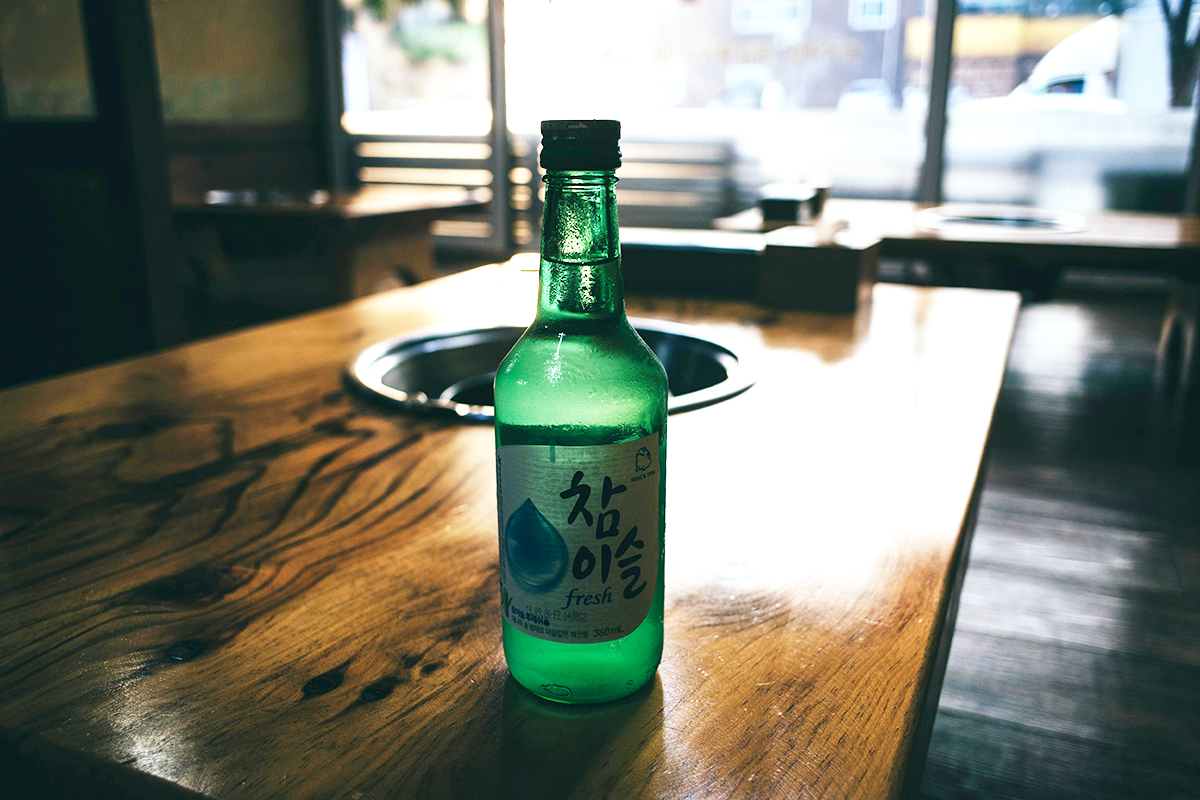
1. Soju (소주)
The most iconic Korean alcohol. Clear, slightly sweet, and usually around 16–20% alcohol.
- Price at convenience store: 1,600–2,000 KRW per bottle
- Price at restaurant: 4,000–6,000 KRW per bottle
It’s typically shared. One bottle serves 4–6 people in small shot glasses.
2. Beer (맥주 / “Maekju”)
Korean beer is lighter than many Western beers.
- Convenience store: 2,500–4,000 KRW per can
- Restaurant: 4,000–6,000 KRW
A popular combination is somaek (소맥) — soju + beer mixed together.
3. Makgeolli (막걸리)
A traditional rice wine, milky white and slightly sparkling.
- Store price: 1,500–3,000 KRW
- Restaurant: 4,000–8,000 KRW
Often paired with Korean pancakes (전 / jeon) on rainy days.
What Is “Hoesik” (회식)? Understanding Work Drinking Culture
One of the most important aspects of Korean drinking culture for foreigners working in Korea is hoesik — company dinners that often involve alcohol.
What Happens at a Hoesik?
- Dinner at a Korean BBQ or restaurant.
- Drinking soju or beer with coworkers.
- Sometimes moving to a second round (2차 / i-cha) at another location.
- Possibly even a third round (3차).
Do You Have to Go?
In the past, hoesik attendance felt mandatory. Today, workplace culture is slowly changing. According to evolving labor discussions supported by the Ministry of Employment and Labor (고용노동부), after-work hours are considered personal time.
However, in many companies — especially traditional ones — attendance is still socially expected.
Can You Refuse to Drink?
Yes. But how you refuse matters.
Instead of saying:
“I don’t drink.” (Too abrupt in some contexts)
Try:
- “오늘은 몸이 좀 안 좋아서요.” (I’m not feeling well today.)
- “약을 먹고 있어서 술을 못 마셔요.” (I’m taking medication, so I can’t drink.)
- “술을 잘 못 마셔요.” (I’m not good at drinking.)
Most people will respect this.
Essential Korean Drinking Etiquette (Very Important)
1. Never Pour Your Own Drink
In Korean drinking culture, you pour drinks for others, not yourself.
If your glass is empty, someone will usually notice and pour for you.
2. Use Two Hands When Pouring or Receiving
When pouring for someone older or higher in rank:
- Hold the bottle with your right hand.
- Support your right wrist or arm with your left hand.
When receiving a drink:
- Hold your glass with two hands.
3. Turn Slightly Away When Drinking in Front of Seniors
This is a traditional gesture of respect. You slightly turn your head away when taking a shot.
Younger Koreans may not strictly follow this anymore, but in formal settings it’s still appreciated.
4. Wait for the Toast
Common toast words:
- “건배!” (Geonbae! – Cheers!)
- “위하여!” (For success / to our future!)
Don’t drink before the group toast.
Step-by-Step: What to Do at Your First Korean Drinking Gathering
Step 1: Observe First
When you arrive, don’t immediately start drinking. Watch how others behave.
Step 2: Let Someone Pour for You
If someone pours your drink, accept it politely with two hands.
Step 3: Participate in the First Toast
Make eye contact and say “Geonbae!” with everyone.
Step 4: Drink at Your Own Pace
You are not required to finish every glass. Take small sips if necessary.
Step 5: Know When to Leave
If it’s a work event, wait until senior staff leave first. If it’s friends, you can leave more freely.
How Much Does a Typical Night of Drinking Cost?
Costs vary depending on city and location (Seoul is more expensive).
Typical Breakdown (Per Person)
- Dinner + drinks (1st round): 20,000–40,000 KRW
- Second round (bar): 10,000–25,000 KRW
- Taxi home (late night Seoul): 10,000–30,000 KRW
Total: 40,000–90,000 KRW in one evening.
At company hoesik events, the company usually pays. Among friends, the bill may be split evenly.
Common Mistakes Foreigners Make
1. Refilling Their Own Glass
This breaks the “mutual care” dynamic of Korean drinking culture.
2. Getting Too Drunk Too Fast
Soju feels light but hits quickly. Pace yourself.
3. Refusing Too Directly
Blunt refusals can feel socially abrupt.
4. Ignoring Hierarchy
Age and rank matter in Korea more than in many Western countries.
5. Assuming Everyone Loves Drinking
Many Koreans actually dislike mandatory drinking culture but participate due to social pressure.
Cultural Tips to Help You Feel Comfortable
You Can Bond Without Getting Drunk
You don’t need to outdrink anyone to build relationships.
Food Is Important
Korean drinking always involves food (안주 / anju). Eat regularly to avoid getting drunk too quickly.
Drinking Culture Is Changing
Younger generations are shifting toward lighter drinking or alcohol-free gatherings.
The Ministry of Health and Welfare (보건복지부) actively promotes awareness about responsible drinking and alcohol-related health risks.
Useful Korean Drinking Phrases
- 술 좀 주세요. – Please give me some alcohol.
- 한 잔만 주세요. – Just one glass, please.
- 저는 술을 잘 못 마셔요. – I’m not good at drinking.
- 물 좀 주세요. – Please give me water.
- 오늘은 여기까지 할게요. – I’ll stop here for today.
Health and Legal Considerations
- Legal drinking age: 19 (Korean age system aligned with international age).
- Drunk driving laws are extremely strict.
The Korean National Police Agency (경찰청) enforces strict DUI regulations. Even small amounts of alcohol can result in severe penalties, license suspension, or deportation for visa holders.
If you are on a work visa (E-2, E-7, etc.), legal trouble related to alcohol can impact your immigration status under policies managed by the Korea Immigration Service (출입국·외국인청).
FAQ: Korean Drinking Culture for Foreigners
1. Is it rude to say no to alcohol in Korea?
No, but say it politely and indirectly if possible.
2. Do all companies force employees to drink?
No. Many modern companies allow voluntary participation.
3. What if I don’t drink for religious reasons?
Explain clearly and calmly. Most people will respect it.
4. Can women refuse drinks more easily than men?
Sometimes yes, but social expectations still exist in certain settings.
5. Is it normal to drink multiple rounds in one night?
Yes, especially in traditional corporate culture.
6. What’s the safest way to get home?
Use taxi apps or public transportation before it closes (around midnight–1am depending on city).
Conclusion: You Don’t Have to Become a Heavy Drinker to Belong
Korean drinking culture can feel intense at first. The pouring rituals, hierarchy rules, group pressure, and multiple rounds may seem overwhelming. But once you understand the logic behind it — relationship-building and respect — it becomes easier to navigate.
You are not required to drink heavily to succeed socially or professionally in Korea. What matters more is participation, politeness, and understanding the cultural signals.
Observe first. Drink slowly. Eat well. Speak politely. Set boundaries calmly.
With the right balance, you can participate in Korean drinking culture without compromising your health, values, or comfort.
Living in Korea becomes much smoother when you understand not just the language, but the social rituals behind everyday life. Drinking culture is one of them — and now, you’re better prepared to handle it confidently.