
5 Places to Visit in Seoul: A Practical Guide for Foreigners Living in Korea
If you’ve recently moved to Korea, chances are your days have been filled with immigration paperwork, finding housing, setting up a bank account, and figuring out how to use public transportation. Somewhere between adjusting to Korean work culture and navigating convenience store dinners, sightseeing in Seoul might feel like something “for tourists.”
But here’s the thing: exploring Seoul isn’t just about sightseeing. It’s one of the fastest ways to understand Korean culture, history, and modern lifestyle. Whether you’re staying for six months or several years, visiting the right places in Seoul will help you feel more grounded and connected to your new home.
This guide covers 5 essential places to visit in Seoul, written specifically for foreigners living in Korea. You’ll find step-by-step directions, cost breakdowns, cultural tips, common mistakes to avoid, and useful Korean phrases to help you navigate confidently.
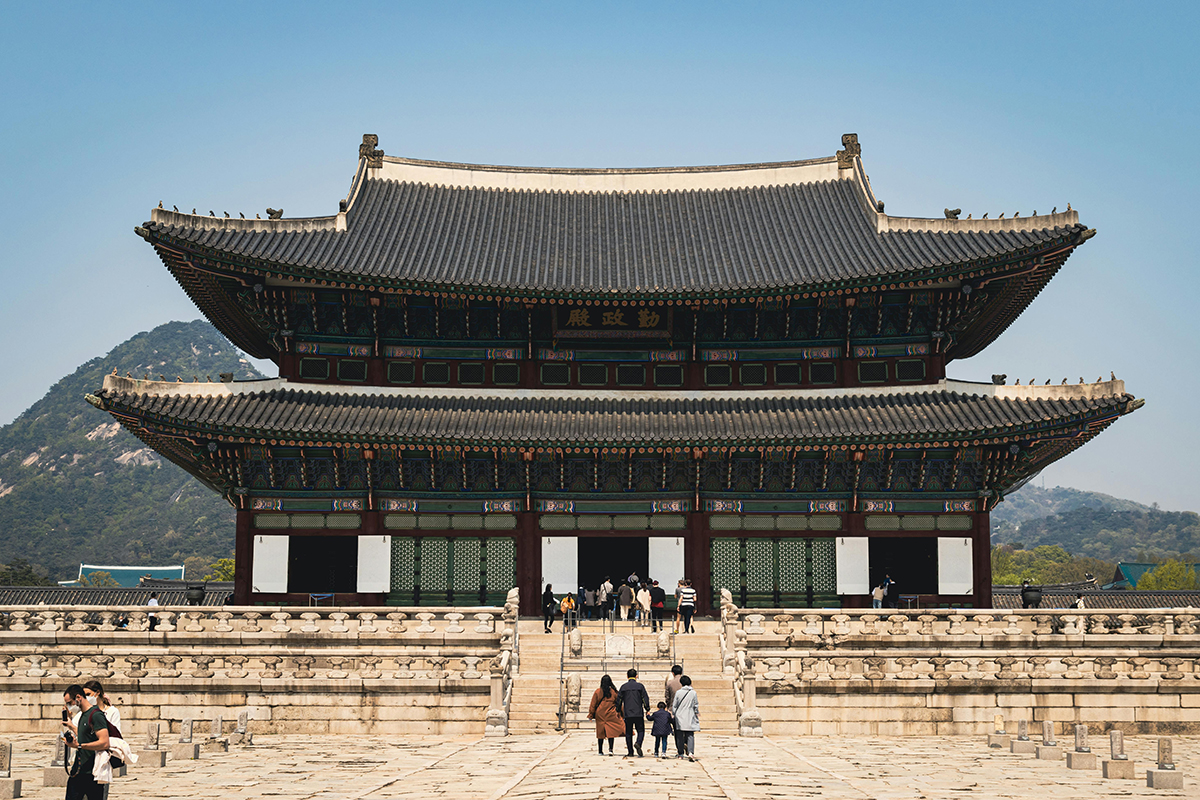
1. Gyeongbokgung Palace – Understanding Korea’s Royal History
Why This Matters for Foreign Residents
When you live in Seoul, it’s easy to forget that this ultra-modern city was once the capital of the Joseon Dynasty for over 500 years. Visiting Gyeongbokgung Palace gives you essential context for understanding Korean identity, Confucian traditions, and even modern politics.
Many Korean holidays, ceremonies, and even TV dramas reference the Joseon period. After visiting the palace, everyday cultural references suddenly make more sense.
How to Visit (Step-by-Step)
- Take Subway Line 3 to Gyeongbokgung Station (경복궁역), Exit 5.
- Walk straight for about 5 minutes.
- Buy a ticket at the entrance (or show your Alien Registration Card if you have a cultural pass).
- Download a free audio guide or join an English-language guided tour.
Cost Breakdown
- Adult ticket: 3,000 KRW
- Wearing a hanbok (traditional clothing): Free entry
- Audio guide: ~3,000 KRW
If you plan to visit multiple palaces, consider the “Integrated Palace Ticket” for 10,000 KRW.
Common Mistakes Foreigners Make
- Going at noon in summer (it gets extremely hot and there’s little shade).
- Skipping the changing of the guard ceremony (usually around 10:00 and 14:00).
- Only taking photos without reading the historical explanations.
Cultural Tips
- Avoid sitting on wooden floors inside historical buildings.
- Don’t touch painted structures — preservation is taken seriously.
- Bow slightly if interacting with staff in traditional attire.
Useful Korean Phrases
- “입장권 어디에서 사요?” (Ip-jang-gwon eo-di-e-seo sa-yo?) – Where do I buy the ticket?
- “영어 안내 있나요?” (Yeong-eo an-nae it-na-yo?) – Is there English guidance available?
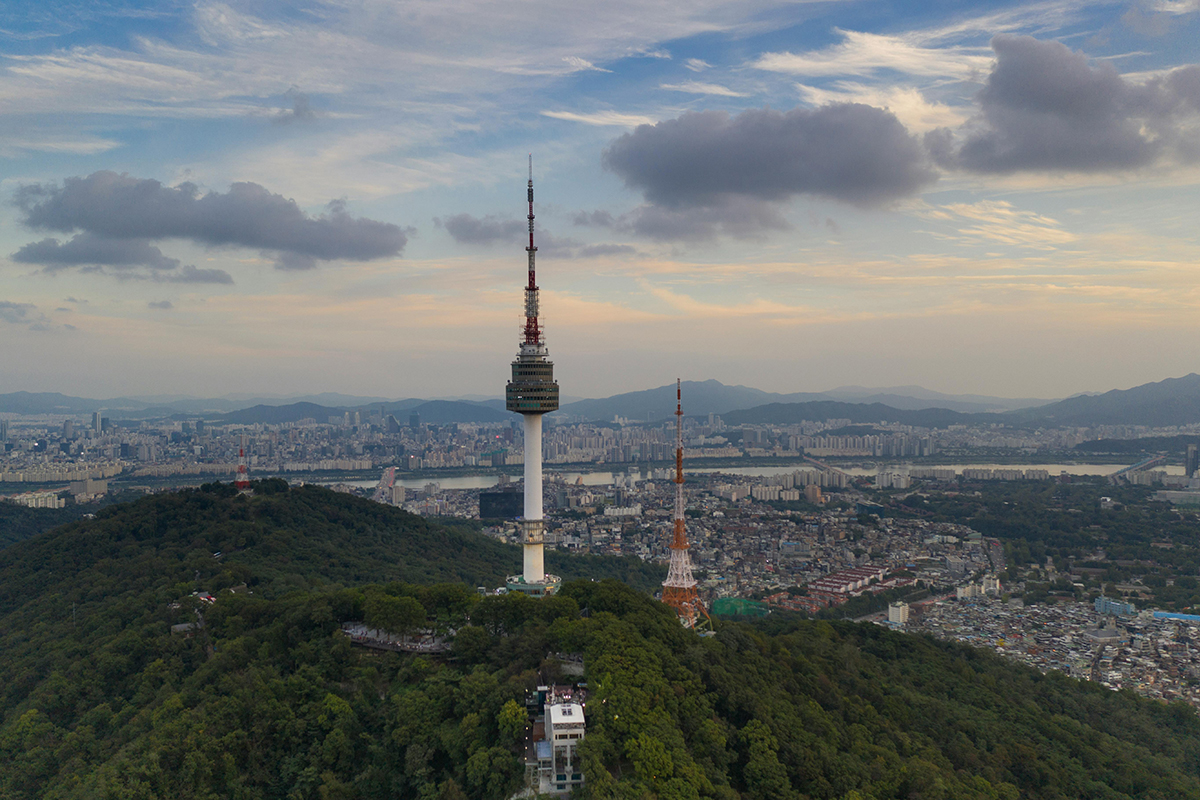
2. N Seoul Tower – Seeing the City From Above
Why It’s Worth Visiting Even If You Live Here
When you first move to Seoul, the city can feel overwhelming. Visiting N Seoul Tower gives you perspective — literally. Seeing the Han River, mountain ranges, and endless apartment blocks from above helps you understand Seoul’s geography.
How to Get There
- Take Subway Line 4 to Myeongdong Station.
- Walk toward Namsan Cable Car (about 10–15 minutes uphill).
- Alternatively, hike Namsan Park for free access to the tower base.
Cost Breakdown
- Observation deck: ~16,000 KRW
- Cable car round trip: ~14,000 KRW
- Hiking: Free
Real-Life Scenario
If you have friends visiting from abroad, this is usually the first place they want to go. Knowing the easiest route and best sunset time (arrive 1 hour before sunset) makes you look like a local expert.
Common Mistakes
- Going on weekends without booking online.
- Underestimating how cold it gets at night, even in spring.
Useful Phrase
- “케이블카 어디예요?” – Where is the cable car?
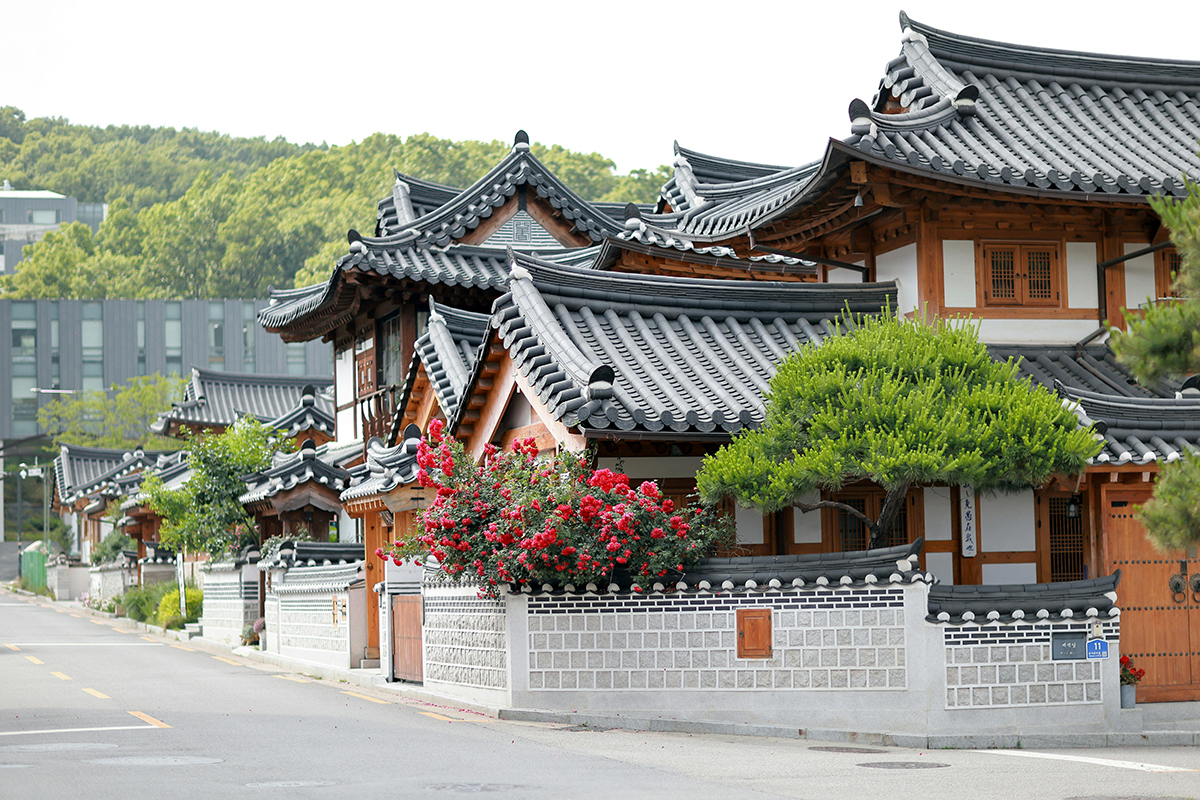
3. Bukchon Hanok Village – Traditional Architecture in a Modern City
Why This Is Different from a Palace
Unlike Gyeongbokgung, Bukchon is a living residential neighborhood. People actually live there. This gives you a deeper understanding of traditional Korean housing (한옥, hanok) and how it contrasts with modern apartments.
Practical Guidelines
- Visit before 10 a.m. to avoid crowds.
- Speak quietly — signs ask visitors to reduce noise.
- Do not enter private homes.
Cost
Free. However, some cultural experience centers charge 5,000–20,000 KRW for workshops.
Common Mistake
Treating it like a theme park. Residents have complained about excessive noise and trespassing.
Cultural Insight
Traditional houses reflect Confucian hierarchy — men’s quarters, women’s quarters, and courtyard layouts. This helps explain historical gender roles in Korea.
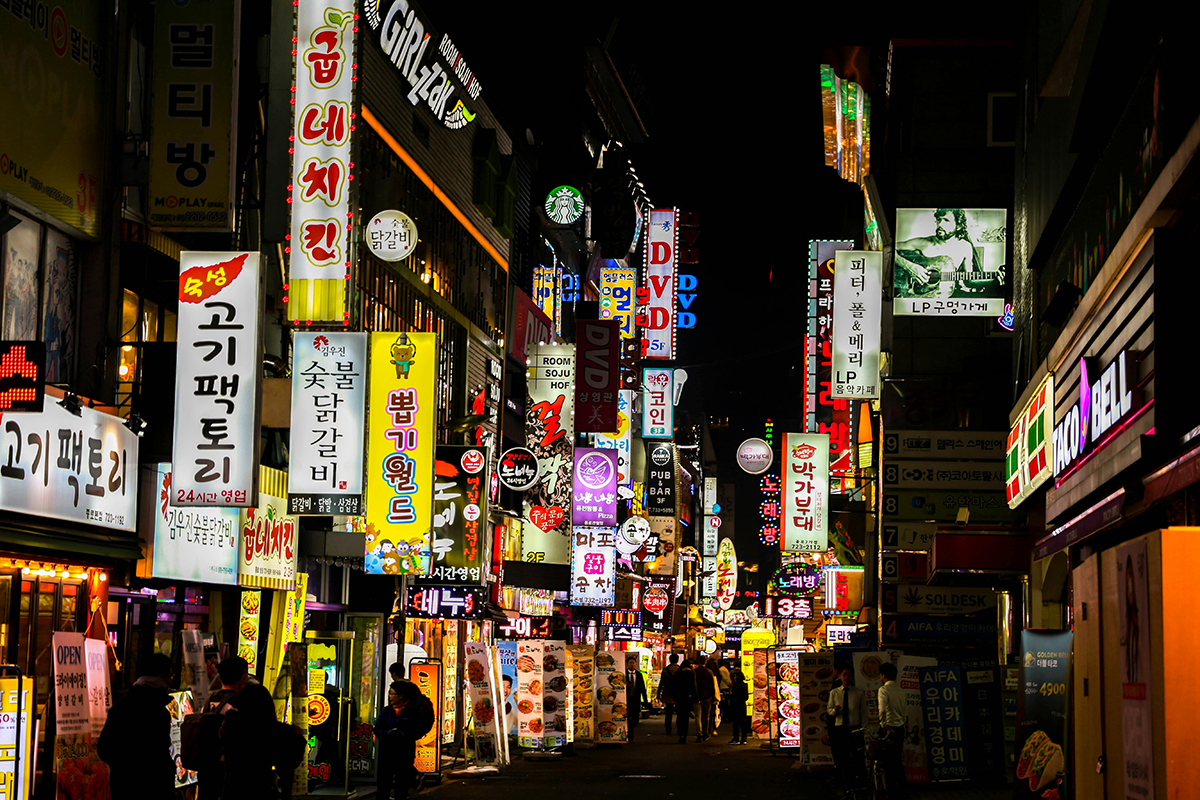
4. Hongdae – Youth Culture and Nightlife
Why Foreigners Love Hongdae
Located near Hongik University, this area represents modern Korean youth culture — indie music, street performances, themed cafés, and nightlife.
Practical Budget
- Street food: 3,000–8,000 KRW
- Café drinks: 5,000–7,000 KRW
- Club entry: 10,000–30,000 KRW
Common Mistakes
- Forgetting to bring ID for clubs.
- Assuming all restaurants are foreigner-friendly — some are Korean-only menus.
Useful Phrases
- “메뉴 영어로 있어요?” – Do you have an English menu?
- “현금만 돼요?” – Is it cash only?
5. Han River Park – Everyday Seoul Life
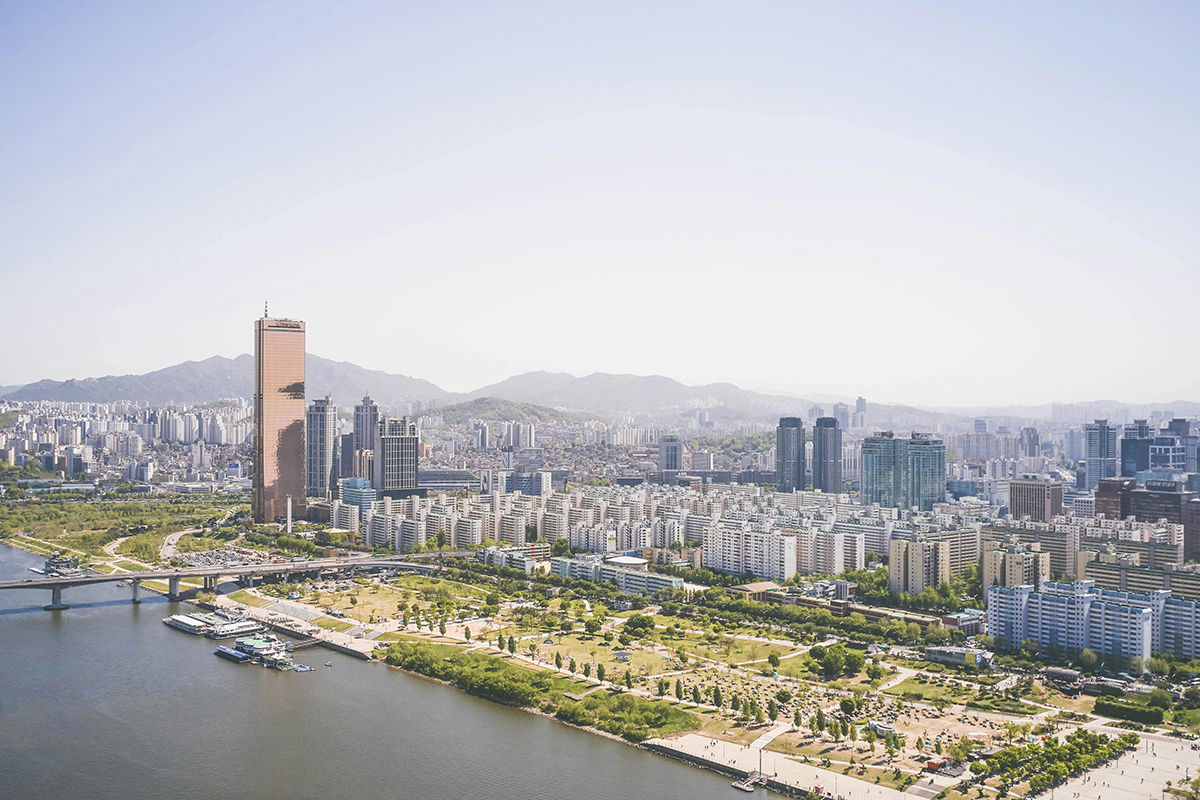
Why This Is Essential for Long-Term Residents
The Han River (한강) is not just a tourist site. It’s where locals relax, picnic, bike, and decompress. Visiting helps you understand modern Korean social culture.
How to Enjoy It Like a Local
- Buy instant ramen at a convenience store.
- Use the self-cooking machine inside.
- Rent a picnic mat (돗자리, dotjari).
- Enjoy sunset by the river.
Costs
- Ramen: 2,000–4,000 KRW
- Bike rental: ~3,000 KRW per hour
- Picnic mat rental: 3,000–5,000 KRW
Cultural Tip
Clean up after yourself. Waste sorting rules in Korea are strict. Look for separate bins for plastic, cans, and general waste.
Preparation Checklist for Foreign Residents
- T-money card for public transportation
- Portable Wi-Fi or local SIM card
- Weather-appropriate clothing
- Cash (some places still prefer it)
- Alien Registration Card (ARC) as ID
For transportation information, check official resources like the Seoul Metropolitan Government website or Korea Tourism Organization materials.
Common Cultural Mistakes to Avoid in Seoul
- Speaking loudly in quiet residential areas.
- Ignoring trash separation rules.
- Not removing shoes when required indoors.
- Assuming credit cards are accepted everywhere.
FAQ – Visiting Places in Seoul as a Foreigner
1. Do I need to bring my passport?
Usually no, but bring your ARC for identification.
2. Is Seoul safe at night?
Yes, generally very safe, but use common sense.
3. Can I use foreign credit cards?
Mostly yes, but small vendors may prefer Korean cards or cash.
4. Is English widely spoken?
Basic English is common in tourist areas, less so elsewhere.
5. What is the best season to explore Seoul?
Spring (April–May) and autumn (September–October).
6. Are these places accessible by subway?
Yes, all five locations are subway-accessible.
Conclusion: Making Seoul Feel Like Home
Living in Korea can sometimes feel isolating, especially in the first few months. Visiting these five places in Seoul isn’t just about sightseeing — it’s about building familiarity. The more you explore, the more Seoul starts to feel less overwhelming and more like home.
Take your time. Go slowly. Visit one place per weekend. Bring a friend. Try speaking a little Korean. Each experience adds another layer of understanding to your life here.
Seoul is not just a city you pass through — for now, it’s your city too.